




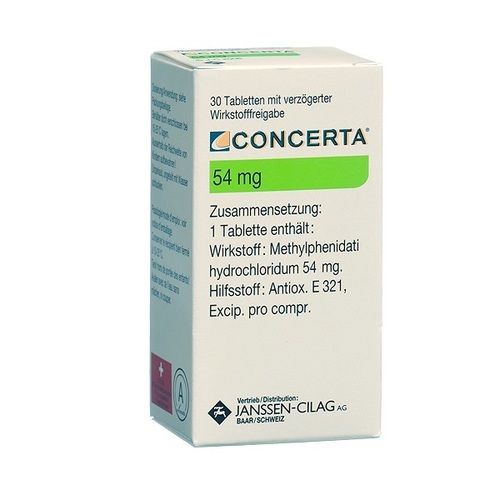
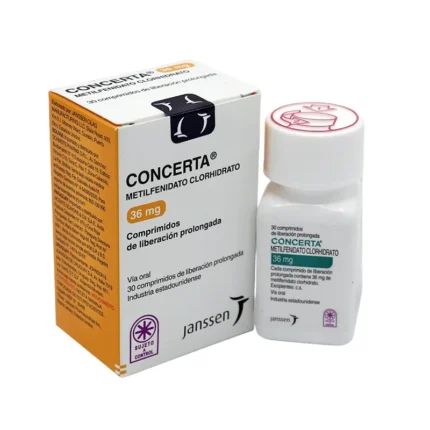
What Is Concerta 54 mg and Who Uses It?
Concerta 54 mg delivers the highest strength of extended‑release methylphenidate available. Because many patients fail to respond adequately to 18 mg, 27 mg, or 36 mg, clinicians reserve this dose for severe or treatment‑resistant ADHD. Therefore, patients with persistent symptoms often require 54 mg when lower doses do not suffice.
How Concerta 54 mg Works Day to Day
Rather than releasing medication all at once, Concerta 54 mg employs the OROS osmotic delivery system to release the drug gradually over 10 to 12 hours. As a result, patients receive a steady therapeutic dose all day long. Consequently, they avoid abrupt peaks and crashes associated with immediate-release stimulants. Moreover, the steady release helps maintain more stable concentration and mood throughout demanding schedules.
When to Consider the 54 mg Dose
If someone uses 18 mg, 27 mg, or 36 mg yet still struggles with significant ADHD symptoms, a specialist might recommend 54 mg. Also, when a patient presents with severe symptoms or has a higher body weight, doctors often escalate to this top strength. However, clinicians must justify that benefit > risk before initiating 54 mg.
Key Benefits of Concerta 54 mg
✓ Offers maximum strength for individuals with severe ADHD
✓ Supports full 10–12 hour coverage with a single morning dose
✓ Delivers major improvements in attention, memory, and mental clarity
✓ Cuts impulsive and hyperactive behaviours significantly
✓ Boosts academic and professional performance under pressure
✓ Enhances planning, organisation, and executive control
✓ Stabilises mood and reduces emotional volatility
✓ Elevates quality of life in patients with difficult presentations
✓ Minimises reliance on supplementary medications or dosage tweaks
Reasons to Choose the 54 mg Strength
-
Many patients need stronger coverage when lower doses prove inadequate.
-
The OROS mechanism ensures consistent delivery without peaks.
-
Accumulated clinical data support careful use in properly selected patients.
-
It suits older adolescents or adults who show resistance at mid-level doses.
-
This dose simplifies treatment by eliminating mid-day boosters.
-
UK pharmacies can dispense it under strict prescription protocols.
-
Some suppliers provide bulk or multi-pack pricing for sustained treatment.
-
Medical professionals offer comprehensive support for monitoring and adjustment.
How the Brain Responds to 54 mg
This dose amplifies dopamine and norepinephrine signalling in the prefrontal cortex, which governs attention, working memory, and impulse control. As neurotransmitter activity rises, users generally experience sharper focus, more consistent control over distractions, and smoother emotional regulation. Since the release remains even over many hours, benefits persist without major fluctuations. Thus, 54 mg becomes valuable in managing complex ADHD challenges.
Possible Side Effects & Risks at This Strength
Although many tolerate 54 mg, side effects may intensify and occur more frequently:
-
Appetite suppression or significant weight loss
-
Sleep disruption or severe insomnia
-
Headaches, nausea, or stomach upset
-
Increased heart rate or blood pressure elevation
-
Nervousness, anxiety, or emotional jitteriness
-
Mood swings or irritability
-
Dizziness, tremor, or difficulty coordinating movements
-
Growth suppression risk in younger users
-
Potential exacerbation of tics, anxiety, or psychiatric symptoms
If any symptoms persist or worsen, patients must notify their clinician immediately.
Safety Considerations & Monitoring
You must only use 54 mg under the guidance of a specialist due to its potency. Because of the higher risk, clinicians should perform frequent cardiovascular checks (such as ECG, blood pressure, heart rate). In children or adolescents, providers must track growth carefully at regular intervals. Additionally, this dose may interact with numerous medications (for example, antidepressants, anticonvulsants, or blood pressure medicines), so doctors must review full medication histories. Patients with existing cardiovascular disease, eating disorders, or severe psychiatric conditions generally cannot tolerate this dose safely. Also, the dose is absolutely contraindicated during pregnancy and breastfeeding unless no alternatives exist. Given its abuse potential, prescribers and patients must maintain secure storage and strict adherence. Finally, when discontinuing 54 mg, clinicians should taper gradually to prevent rebound symptoms or withdrawal.
Frequently Asked Questions (FAQs)
Who Should Use 54 mg Concerta?
Individuals who show minimal improvement on 18 mg, 27 mg, or 36 mg, especially those with severe ADHD or those whose symptoms significantly impair daily life, often benefit from 54 mg. Only specialists should initiate this dose after careful evaluation.
Is 54 mg the Highest Concerta Dose?
Yes, 54 mg typically represents the highest clinically recommended dose in most guidelines. Although some clinicians may consider off-label increases, those require extreme caution and enhanced monitoring.
How Much More Effective Is 54 mg?
While 54 mg yields stronger effects than lower doses, increasing efficacy does not always scale linearly. Thus, physicians must balance improvements against potential side effects for each patient.
What Monitoring Does 54 mg Require?
This dose mandates more frequent medical reviews, including cardiac assessments, growth measurements for minors, side effect evaluation, and dosage reassessments. Patients should attend follow-ups regularly to ensure safety.
Can I Reduce My Dose If I Experience Problems?
Yes. If adverse effects outweigh benefits, a specialist can guide a step-down plan to a lower dose. Patients must never alter dosage independently.
Final Thoughts
Concerta 54 mg stands as the most powerful methylphenidate extended-release option for patients with severe ADHD when lower doses fail. With the correct oversight, it can yield dramatic improvements in focus, impulse control, and daily functioning. Because of its strength, though, strict medical supervision, frequent monitoring, and individualized adjustment remain essential safeguards.










Reviews
There are no reviews yet.